
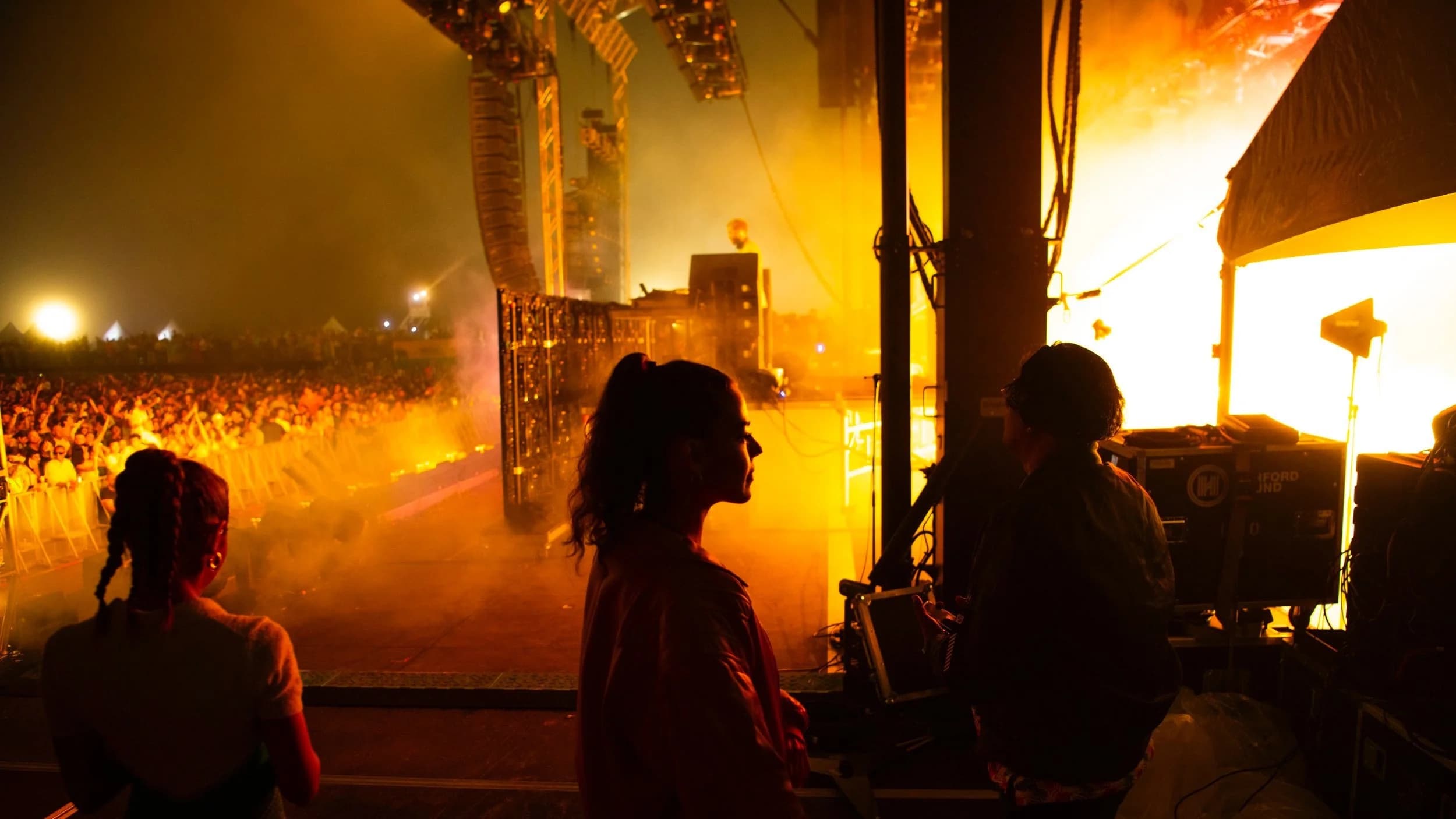
Hosting a private event in the Hamptons involves a set of security considerations that do not exist in most other places. The geography, the guest profiles, the media interest, and the local community dynamics all create conditions that require specific knowledge and planning. Generic event security does not account for any of it.
Why Event Security in the Hamptons is Different
The Hamptons present a unique operating environment for security professionals, and not for the reasons most people assume.
Geography works against you. The South Fork is essentially a narrow strip of land with limited road infrastructure. During summer weekends, Route 27 can gridlock for hours. If you need to move a principal quickly, or if emergency services need to reach your property, that congestion is a real operational factor. A security plan that does not account for traffic patterns on a July Saturday in Bridgehampton is incomplete.
The guest list creates its own threat profile. A party with thirty UHNW guests and a handful of recognizable faces is not the same as a corporate event at a Manhattan hotel. Each high-profile attendee brings their own exposure. Some will arrive with personal security. Others will not but should. The concentration of wealth and celebrity in a single residential location draws attention from people you do not want attending your event.
Privacy is harder to maintain than it looks. Hamptons properties often border public roads, neighboring estates, or beaches with public access. Drone overflights from paparazzi and curious neighbors have become routine during event season. Social media posts from guests, staff, or vendors can broadcast your event's location and guest list in real time.
The local community matters. Southampton, East Hampton, and the surrounding villages have noise ordinances, parking restrictions, and permit requirements that can shut down an event if violated. The relationship between event security teams and local police departments is not ceremonial. It is functional. A firm that has never worked the East End will spend your event figuring out what a firm with local presence already knows.
What Goes Into a High-Profile Event Security Plan
Serious event security planning begins weeks before the first guest arrives. The scope depends on the event, but the framework is consistent.
Site Assessment
A physical walkthrough of the property, identifying entry and exit points, sight lines, areas of vulnerability, and positions for security personnel. For waterfront properties, this includes water-side access. For estates with extensive grounds, it includes tree lines and perimeter fencing. The site assessment drives every decision that follows.
Access Control Design
Who gets in, how they get in, and how you verify they belong there. For private events, this typically involves a credentialed guest list with check-in points, vehicle screening for arrivals, and a process for handling walk-ups, late additions, and guests who do not appear on the list but claim they should.
Vendor and staff access is a separate stream. Caterers, musicians, florists, lighting crews. Each vendor brings personnel the host has never met. A professional security plan screens and credentials all of them before they enter the property.
Perimeter Security
The outer boundary of the event. Depending on the property and threat level, this can range from roving patrols and camera coverage to fixed posts at property boundaries. For beachfront properties during high season, perimeter work includes managing public beach access points that border the event area.
VIP and Principal Protection
If the host or specific guests have elevated security needs, close protection agents are assigned individually. These agents coordinate with the broader event security team but operate on a separate communication channel with different priorities.
Emergency Planning
Medical emergencies, severe weather, gate crashers, a fight in the parking area, a drone overhead. Each of these has a protocol, a chain of command, and a predetermined response. The nearest hospital is identified. Evacuation routes are mapped. Local law enforcement and EMS are briefed in advance.
Communications
A security team that cannot talk to each other is not a security team. Encrypted radio communications, a command post, and clear reporting lines between perimeter, access control, interior, and VIP protection. Cell service in parts of the Hamptons is unreliable. Plan accordingly.
Common Mistakes Hosts Make with Event Security
After more than a decade of securing events on the East End, certain patterns repeat themselves.
Hiring too late. Security is not something to finalize the week before an event. Advance work, staffing coordination, and local law enforcement liaison take time. A month out is a reasonable minimum for a large private event. Two weeks is rushing. Three days is guessing.
Staffing to the wrong number. Hosts often estimate security needs based on guest count alone. But guest count is only one variable. The property layout, number of access points, parking logistics, VIP presence, and whether the event is day or night all affect the staffing calculation. Twenty guards spread across a property with twelve access points is not security. It is a headcount.
Treating security as a vendor. Catering is a vendor. Lighting is a vendor. Security is an operational layer that touches every other vendor and every aspect of the event. The security team needs to be involved in planning alongside the event planner, not brought in at the end to fill posts.
Ignoring the digital footprint. You can secure every physical access point on a property and still have your event compromised by a caterer's Instagram story or a guest's geotagged post. The security plan should include a social media protocol, and staff should be briefed on it.
No relationship with local authorities. In the Hamptons, local police departments are accustomed to private event security. But they expect to be notified in advance, and they expect the security firm to be professional and communicative. Showing up with an unlicensed team and no prior coordination creates problems that are entirely avoidable.
How to Evaluate an Event Security Provider
The Hamptons event market attracts a range of security providers, from established firms with deep local roots to out-of-area companies chasing summer revenue. The difference between them is significant.
Ask about local experience. Not just “have you worked in the Hamptons” but which properties, which events, and what relationships they maintain with local law enforcement agencies. A firm that operates year-round on the East End will have working relationships that a seasonal provider cannot match.
Ask about their team. Who are the actual agents that will be on your property? What are their backgrounds? Military and law enforcement experience is standard at the senior level, but the entire team matters. How does the firm vet and train its people?
Ask for a written security plan. Any provider worth hiring will produce a detailed, property-specific plan before your event. If the proposal is a per-guard rate with no operational detail, that tells you what you need to know.
Ask about insurance and licensing. New York State requires specific licensing for security personnel. Event liability coverage should be confirmed in writing. This is basic due diligence that protects the host.
Ask what happens when something goes wrong. Not if. When. The answer should be specific, not a reassurance that they “handle it.” Incident command structure, escalation protocols, and communication with the host during a situation are all things a qualified firm can articulate on the spot.
What to Expect from a Professional Event Security Team
A professional team will be present well before your first guest arrives and will remain until the last vendor has left the property. They will integrate with your event planner, caterer, and venue staff without creating friction or drawing unnecessary attention.
During the event, their presence should be noticeable enough to deter problems but not so prominent that guests feel surveilled. The balance between visibility and discretion is where experienced teams distinguish themselves from inexperienced ones.
After the event, a professional firm will provide a debrief: what went according to plan, what did not, and what should change for next time. If you host regularly, this continuity is valuable.
The best event security is the kind your guests never think about. They arrive, they enjoy themselves, and they leave safely. Everything that made that possible happened before they got there.
Roman Sanford and Hamptons Event Security
Roman Sanford has been a fixture in Hamptons event security since 2015, providing security for private gatherings, charity galas, celebrity events, and large-scale productions across the South Fork and beyond. The firm maintains year-round relationships with local law enforcement and the East End community.
To discuss security planning for an upcoming event, reach out to our team for a confidential conversation.